The Forge of Silent Earthquakes
A lone geologist stands before a fractured fault line, holding a geophone that has just captured the last sound of a continent slowing down.
Aldo Varga dropped the geophone onto the screech of basalt at exactly 04:17 UTC. The device screamed—a high-pitched whine that died into a trembling hum—as the quartz crystal inside detected the final, sluggish shudder of the Anatolian fault line. The air around him tasted of ozone and hot iron, a metallic tang that clung to the back of his throat after days of drilling and sampling in this hollowed valley near Van. He exhaled slowly, watching the needle on his analog meter tick down into stillness, then looked up at Dr. Elena Moreau, who stood twenty meters away with her raincoat dripping against the grey morning light.
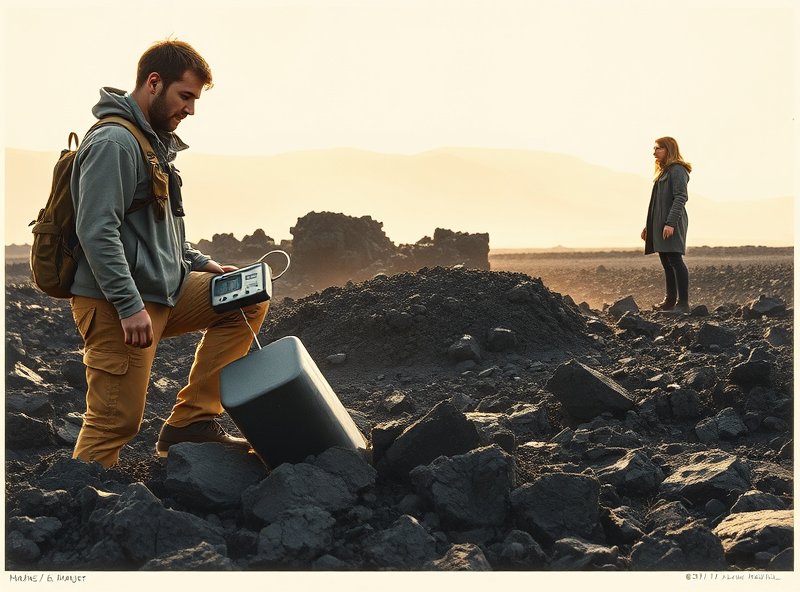
That was how the record began: a moment of termination, not birth. The planet had exhaled its last breath into an instrument designed to catch its inhalation.
For twenty minutes, they listened to the silence that followed because sound does not vanish instantly; it lingers in pockets of rock and memory alike. "Listen," Aldo said, tapping the rim of his cap against his forearm to punctuate the quiet. "That is the planet exhaling." His voice carried a specific weight, born from listening to seismic data that usually shouted warnings of rupture rather than signs of cessation. The friction between the two blocks of crust, which had ground against each other for millennia, had finally decoupled. For generations, local farmers in the region of Ağrı daşı had consulted Aldo when their tractors vibrated abnormally or crops failed without rain. They called it God's temper, but this specific tremor was mechanical: the release of accumulated stress after decades of slow creep. The continent, technically speaking, had slowed its march eastward by a fraction of a millimeter per year, and now that motion ceased.
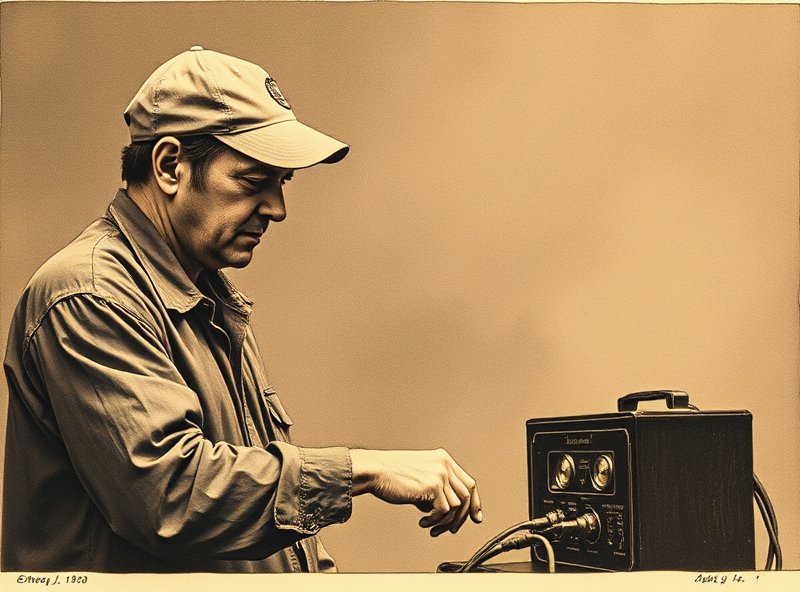
The smell of hot iron from the previous day's drill cores still dominated the sensory landscape, mixing with the dry dust of pulverized granite. Aldo wiped his glasses on a rag stained with oil and sweat, noting that the geophone's pre-amp had recorded micro-fractures corresponding to a magnitude of 4.2 on the Richter scale, yet without the sharp spike associated with sudden failure. Instead, it was a long, drawn-out sigh, like someone releasing tight clothing after standing erect for hours. "We will call this the Van Quiet," Elena said, stepping forward to check his notes. She produced a waterproof notebook from her satchel and began writing coordinates with a Sharpie, marking the exact latitude where the vibration frequency dropped below 0.5 hertz. This was not just a geological event; it was a decision by the earth itself, a choice to stop moving rather than break completely.
By 10:43 UTC, the team packed their equipment into battered aluminum cases that rattled as they walked back toward the transit vehicle. The realization hung heavy but clear: if the fault line slowed down, future hazards might shift from seismic shocks to subtle land subsidence or altered groundwater flow. They would have to re-evaluate risk models that assumed constant motion, adjusting their predictions for where earthquakes might strike next in this tectonic corridor. "So we watch the same place, just differently," Aldo remarked as he clicked his helmet buckle closed. "Same coordinates, different variables." He looked at the horizon, now clearer of imminent disaster, and felt a strange relief mixed with uncertainty. The ground beneath their boots was still firm, but its behavior had rewritten itself overnight.
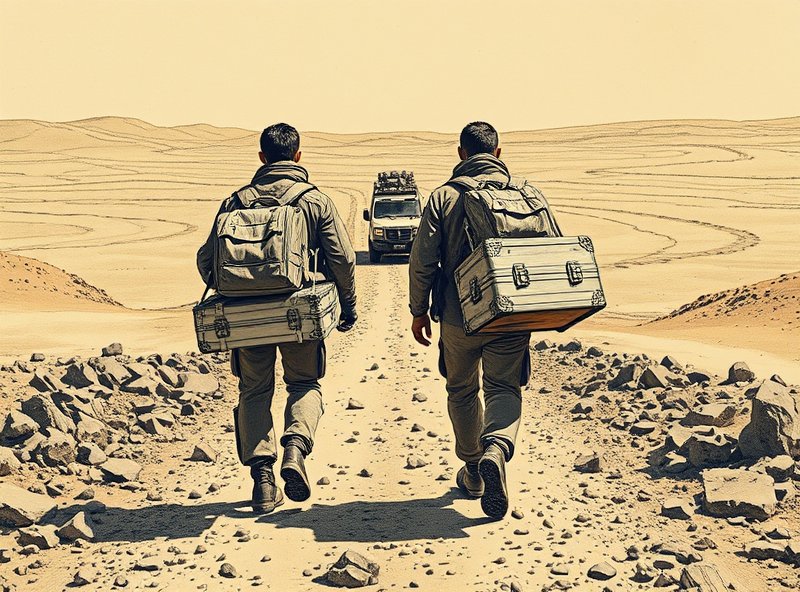
As the vehicle pulled away, leaving a trail of disturbed soil behind, Aldo turned back once more to stare at the fracture line. In that stillness, he could almost hear the ground adjusting its rhythm, preparing for whatever demand it would face ten thousand years hence. The geophone lay in the back seat, silent but ready, carrying within its core the memory of a moment when the world decided to rest. Whatever comes next will depend on who listens closely enough to understand that even the end of a shudder can be the beginning of something new.